
I may earn money or products from the companies mentioned in this post. Please click my Disclosure Policy to learn more


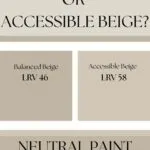









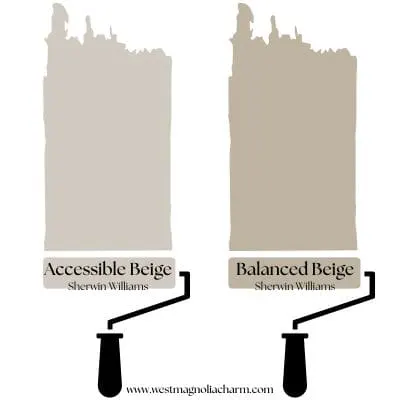
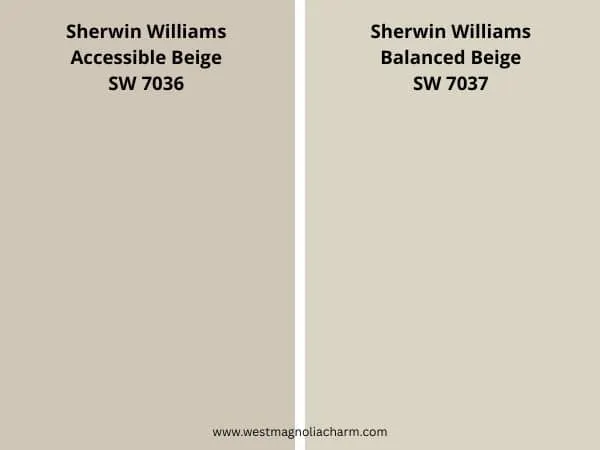
Accessible Beige and Balanced Beige are both warm neutral paint colors, but they behave differently. Accessible Beige is lighter, more versatile, and great for open-concept homes, while Balanced Beige is deeper, warmer, and best for cozy or traditional spaces with good lighting.
If you’ve narrowed your paint search down to Accessible Beige and Balanced Beige, congratulations — you’re officially in the good beige category. These two Sherwin-Williams favorites are warm, timeless, and wildly popular… but they are not interchangeable.
I’ve used both in real homes, and while they look similar on a paint chip, they behave very differently once they’re on your walls. Lighting, room size, and finishes will absolutely sway the decision.
So let’s break it down the way I do with clients — honestly, clearly, and without vague “it depends” answers.
Quick Overview: Accessible Beige vs Balanced Beige

| Paint Color | Brand | Undertone Family | LRV | Overall Vibe |
|---|---|---|---|---|
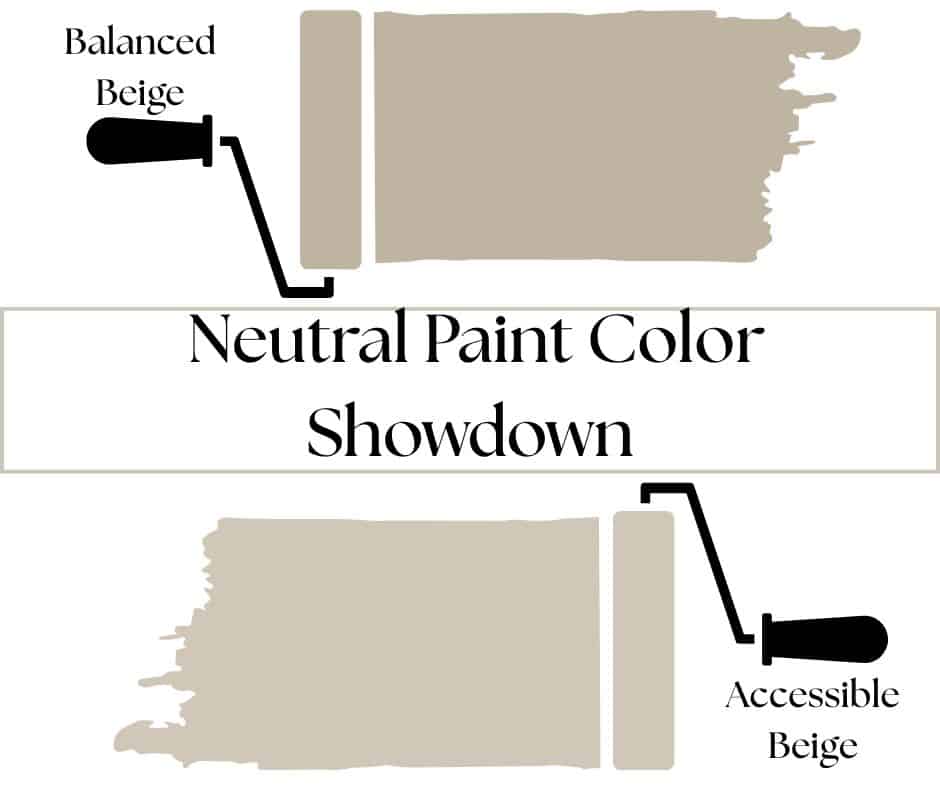
| Accessible Beige (SW 7036) | Sherwin Williams | Warm beige with gray | 58 | Soft, cozy, versatile |
| Balanced Beige (SW 7037) | Sherwin Williams | Warm beige with brown | 46 | Rich, grounded, traditional |
Quick takeaway: Accessible Beige is lighter and more flexible. Balanced Beige is deeper and more dramatic.
Trying to choose between Accessible Beige and Balanced Beige?
These two neutrals can shift dramatically depending on lighting and surrounding finishes.
👉 See Both Colors on Your Walls Before You Paint
Peel-and-stick samples let you compare them side by side — no mess, no guesswork.
[ Compare Accessible Beige & Balanced Beige at Home ]
Accessible Beige (SW 7036): Light, Warm & Easygoing
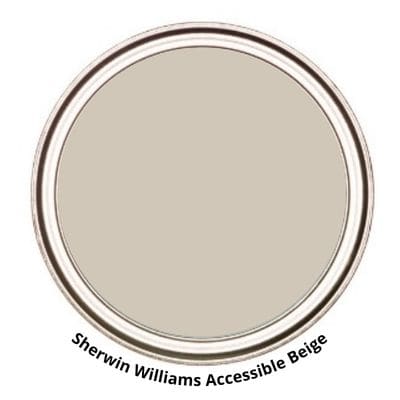
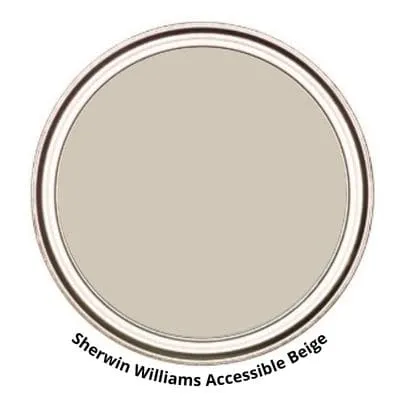
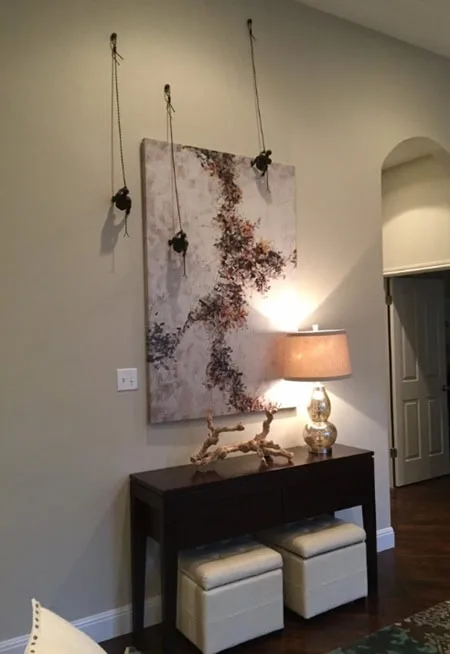
Accessible Beige is one of those colors that just works. It’s warm without being yellow, neutral without being boring, and incredibly forgiving.
Undertones
Accessible Beige is a warm beige with subtle gray undertones, which keeps it from going overly golden or orange. This is why it plays so nicely with modern finishes.
What it does well:
- Handles mixed lighting
- Stays neutral on most walls
- Works with both beige and greige palettes
LRV (Light Reflectance Value)
- LRV: 58
This puts Accessible Beige firmly in the light-to-mid range, meaning it reflects enough light to keep rooms feeling open and comfortable.
Best Rooms for Accessible Beige

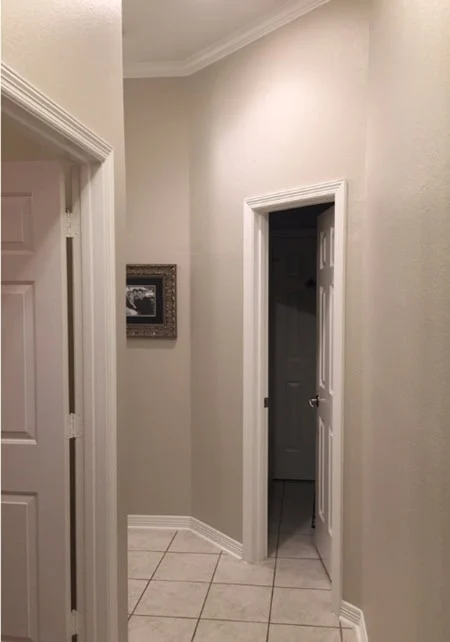
- Living rooms
- Open-concept main areas
- Hallways
- Basements with some natural light
It pairs beautifully with:
- Warm wood floors
- Creamy white trim
- Soft gray or beige accents
Pros
- Warm but not yellow
- Very versatile
- Great whole-house color
- Easy resale appeal
Cons
- Can feel too light in very large spaces
- Not ideal if you want bold contrast
Cate’s take: This is the beige I reach for when someone says, “I want warm, but I don’t want my house to look beige.”
Paint colors change a lot once they’re on the wall.
👉 Test Accessible Beige & Balanced Beige Without Repainting
Peel-and-stick samples help you avoid costly paint mistakes.
Balanced Beige (SW 7037): Rich, Cozy & Traditional
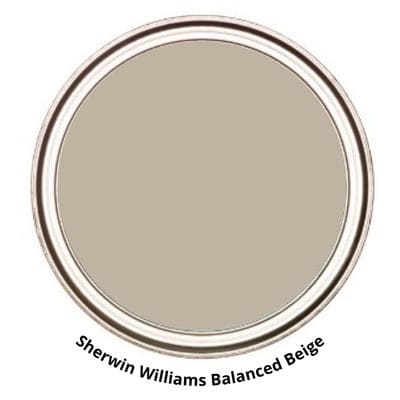
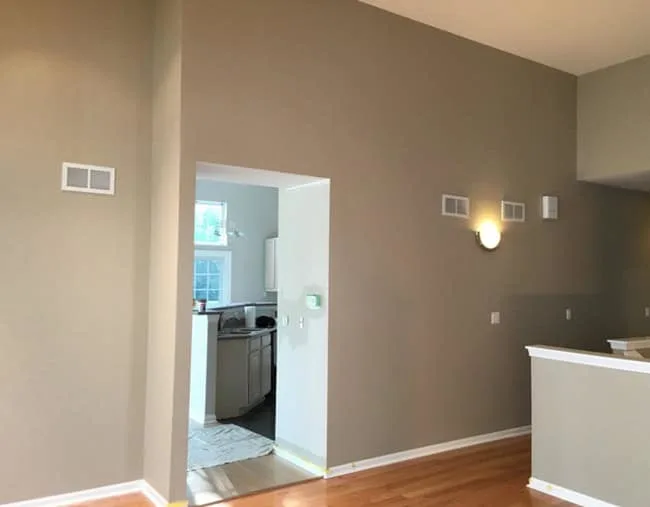
Balanced Beige is Accessible Beige’s deeper, moodier sibling. It’s warmer, heavier, and makes a stronger design statement.
Undertones
Balanced Beige is a true warm beige with brown undertones. It doesn’t pretend to be greige — it leans fully into its warmth.
This color loves:
- Warm lighting
- Traditional finishes
- Cozy, enclosed rooms
LRV (Light Reflectance Value)
- LRV: 46
This lower LRV means Balanced Beige absorbs more light, giving it a richer, more enveloping feel.
Best Rooms for Balanced Beige

- Dining rooms
- Family rooms
- Bedrooms
- Homes with lots of warm finishes
It works especially well with:
- Dark or medium wood floors
- Cream or off-white trim
- Bronze or brass hardware
Pros
- Warm and inviting
- Adds depth and contrast
- Great for traditional homes
Cons
- Can feel heavy in dark rooms
- Not ideal for open concept layouts
Cate’s take: This is the color you choose when you want your home to feel intentionally warm, not just neutral.
Accessible Beige vs Balanced Beige: Side-by-Side Comparison

Lighting Sensitivity
- Accessible Beige: Adapts well to most lighting situations
- Balanced Beige: Needs good lighting to avoid feeling heavy
Warmth Level
- Accessible Beige: Soft, warm neutral
- Balanced Beige: Clearly warm and cozy
Style Match
- Accessible Beige: Transitional, modern, flexible
- Balanced Beige: Traditional, classic, cozy
Open Concept Homes
- Accessible Beige: Winner 🏆
- Balanced Beige: Better for defined spaces
I always test neutrals in real lighting before committing — especially colors this close.
👉 See Accessible Beige & Balanced Beige in Your Own Home
Peel-and-stick samples show undertones you won’t see online.
Trim Pairings That Work
Best Whites for Accessible Beige
Best Whites for Balanced Beige
- Sherwin Williams Alabaster
- Sherwin Williams Shoji White
Avoid bright, cool whites — they’ll make both colors look muddy.
FAQs: Accessible Beige vs Balanced Beige

Which color is better for resale?
Accessible Beige. It’s lighter, more neutral, and appeals to a wider audience.
Which works better with wood floors?
Both work well, but Balanced Beige pairs especially nicely with darker woods.
Can I use Balanced Beige in a small room?
Yes — but only if you have good lighting. Otherwise, it can feel too heavy.
Is Accessible Beige too gray?
No. It’s warm first, with just enough gray to keep it balanced.
Try Before You Commit (Highly Recommended)
These two colors can look very different depending on lighting and surrounding finishes.
I always recommend peel-and-stick samples so you can:
- See undertones in your own lighting
- Compare them side by side
- Avoid repaint regret
⬇️ Recommended Before You Paint ⬇️
[ See Accessible Beige & Balanced Beige in Your Home ]
Peel-and-stick samples let you compare both colors on your walls — no mess, no guessing.
Final Verdict: Which One Should You Choose?
Choose Accessible Beige if you want:
- Light and flexible
- Open-concept friendly
- A warm neutral that works almost anywhere

Choose Balanced Beige if you want:
- Rich and cozy
- Traditional and grounded
- More contrast and depth

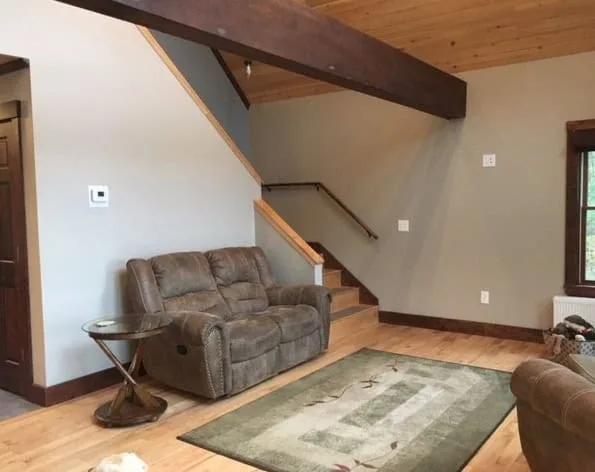
Both are excellent warm neutrals — the right choice depends on how much depth and warmth your space needs.
If you’re stuck between these two, seeing them side by side will make the decision obvious.
👉 Compare Accessible Beige vs Balanced Beige at Home
Peel-and-stick samples = confident color choice.
Related Posts You’ll Love
If you’re still narrowing down the right neutral for your home, these detailed reviews and comparisons will help you see how colors behave in real spaces:
- Edgecomb Gray vs Accessible Beige
- Pale Oak vs Edgecomb Gray: Which Neutral Is the Right One for Your Home?
- 15 Benjamin Moore Warm Neutrals to Elevate Your Space
- Silverpointe SW 7653 – Color Review


I’m Cate. As a seasoned paint color consultant and former proprietor of the highly regarded painting company WOW 1 Day Painting in Bergen County, my journey in the world of design and home improvement has been a colorful one, quite literally. Nestled in the scenic landscapes of Northern New Jersey, I’ve cultivated a passion for transforming spaces through the power of paint, furniture restoration, and thoughtful home decor.